Qualitative Research
I conducted individual interviews with 7-8 users to understand their furniture purchasing behaviors and decision-making processes.
The objective of the qualitative research was to gain a deeper understanding of the users problems and needs when it comes to purchasing furniture, electronics, and appliances. The interviews were structured to cover the following areas:
- Furniture purchasing behaviors
- Considerations when purchasing furniture
- Challenges faced during the purchasing process
I used open-ended questions to encourage the participants to share their experiences and opinions in detail.
- What are your views about renting a refurbished item like furniture/appliance/electronics?
- Have you ever used any renting apps before the above product?
- How many online renting apps have you seen or been using?
- What factors do you look for when you rent an item?
- What other products would you prefer to rent rather than furniture, appliance and electronics?
Quantative Research
I conducted an online survey to collect data from a larger group of users. The survey consisted of a set of structured questions and a few random questions based on the participants' willingness to answer.
The objective of the quantitative research was to gather data on users' online renting thinking, their habits and preferences when it comes to purchasing furniture, electronics, and appliances. The survey covered the following areas:
- Awareness of online furniture rental services.
- Previous experience with online furniture rental services.
- Factors considered when renting furniture, electronics, and appliances.
- Expectations from a furniture rental service.
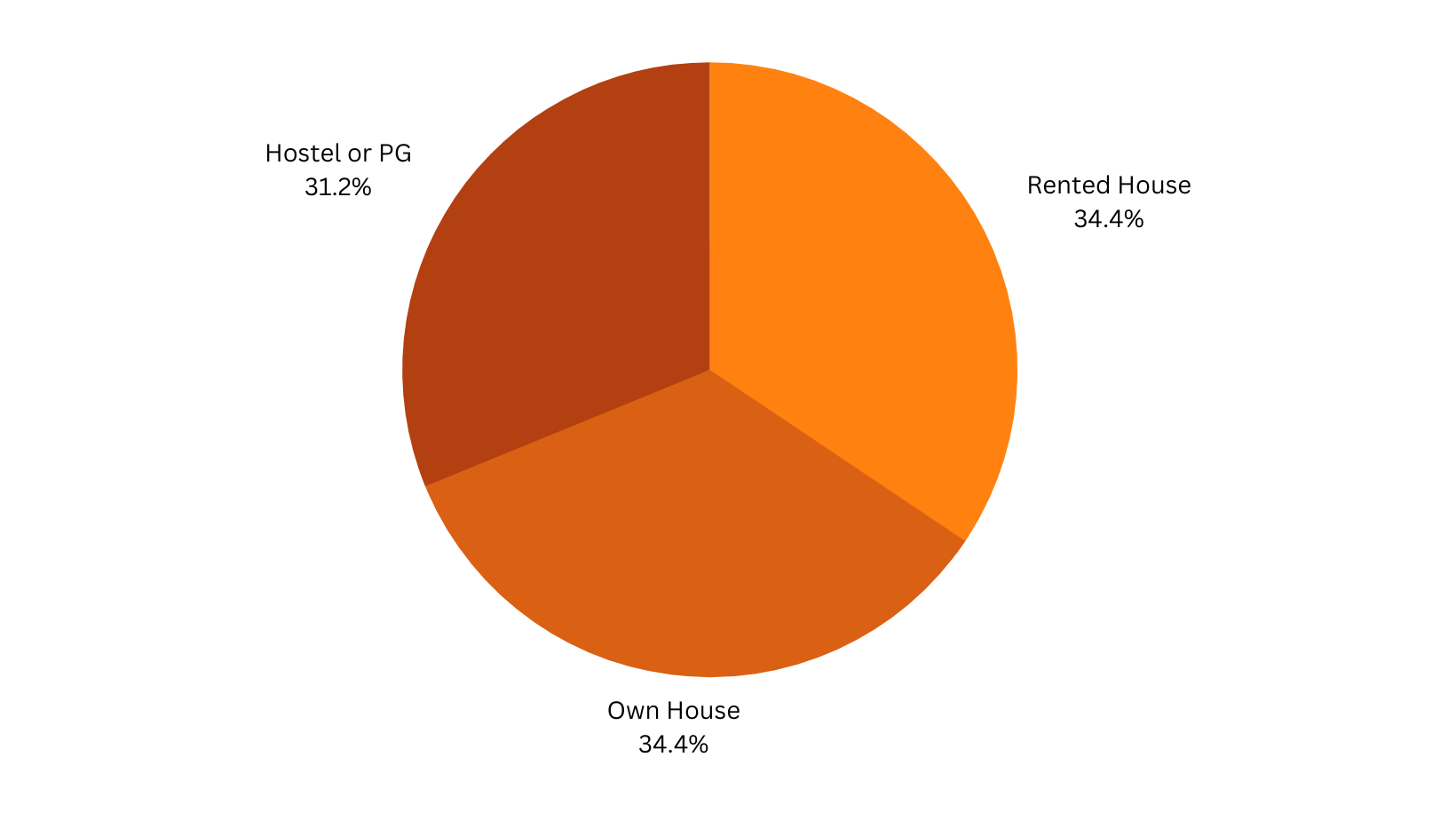
Where Are you Staying?
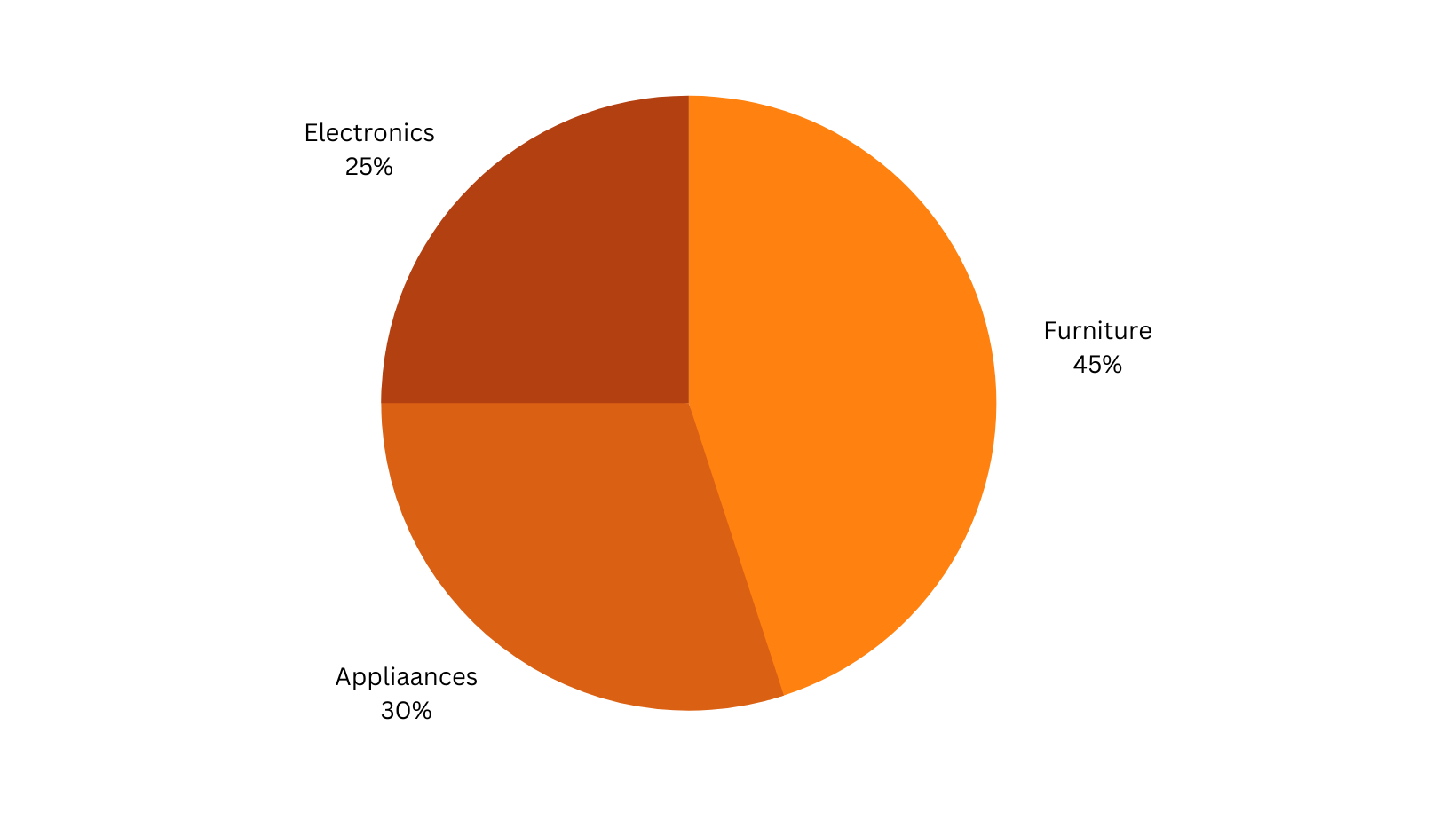
Which product do you prefer to rent?
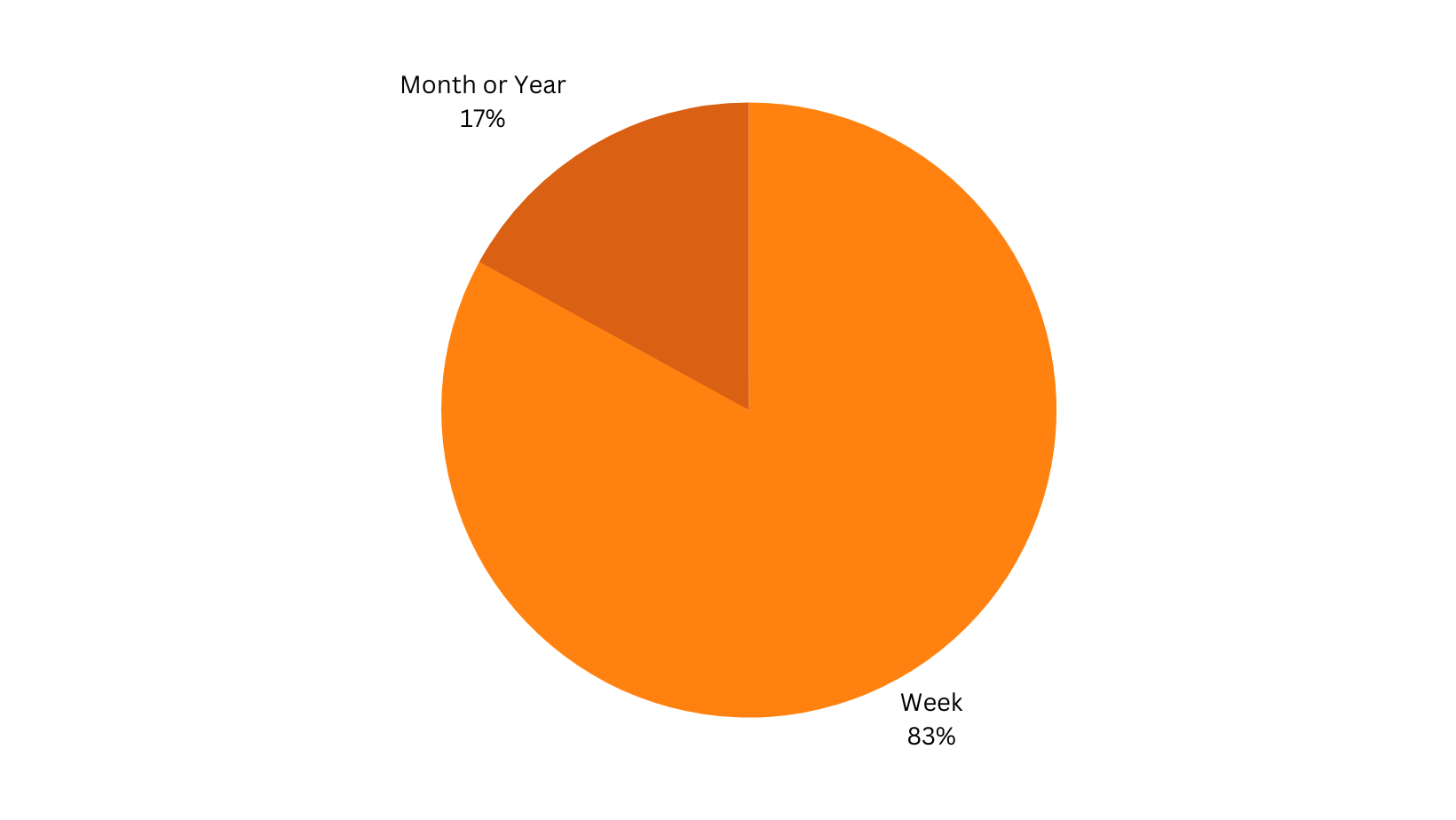
Would you prefer renting an item on a weekly basis rather monthly/yearly basis?
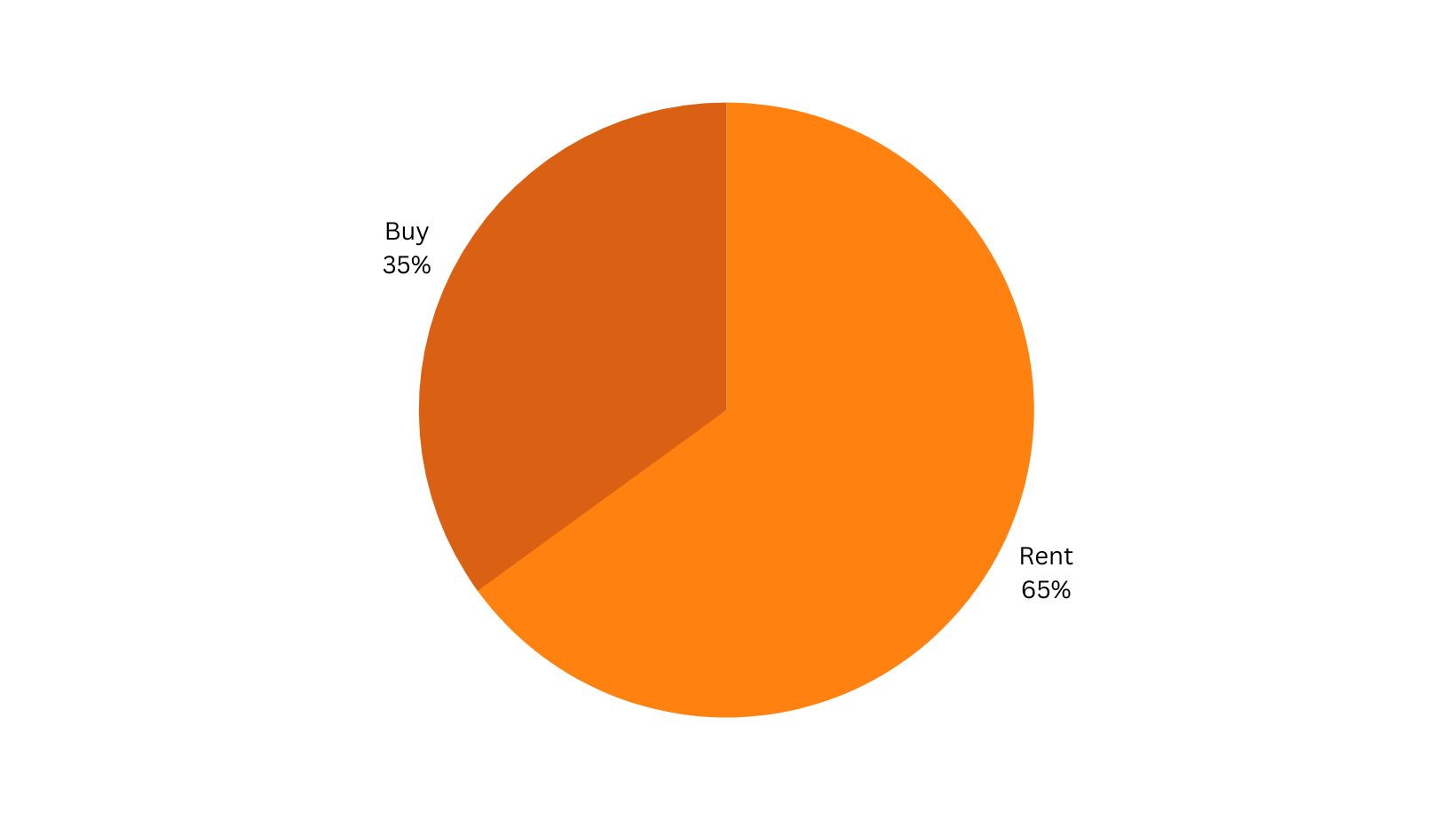
Would you rather rent a product than buy one?
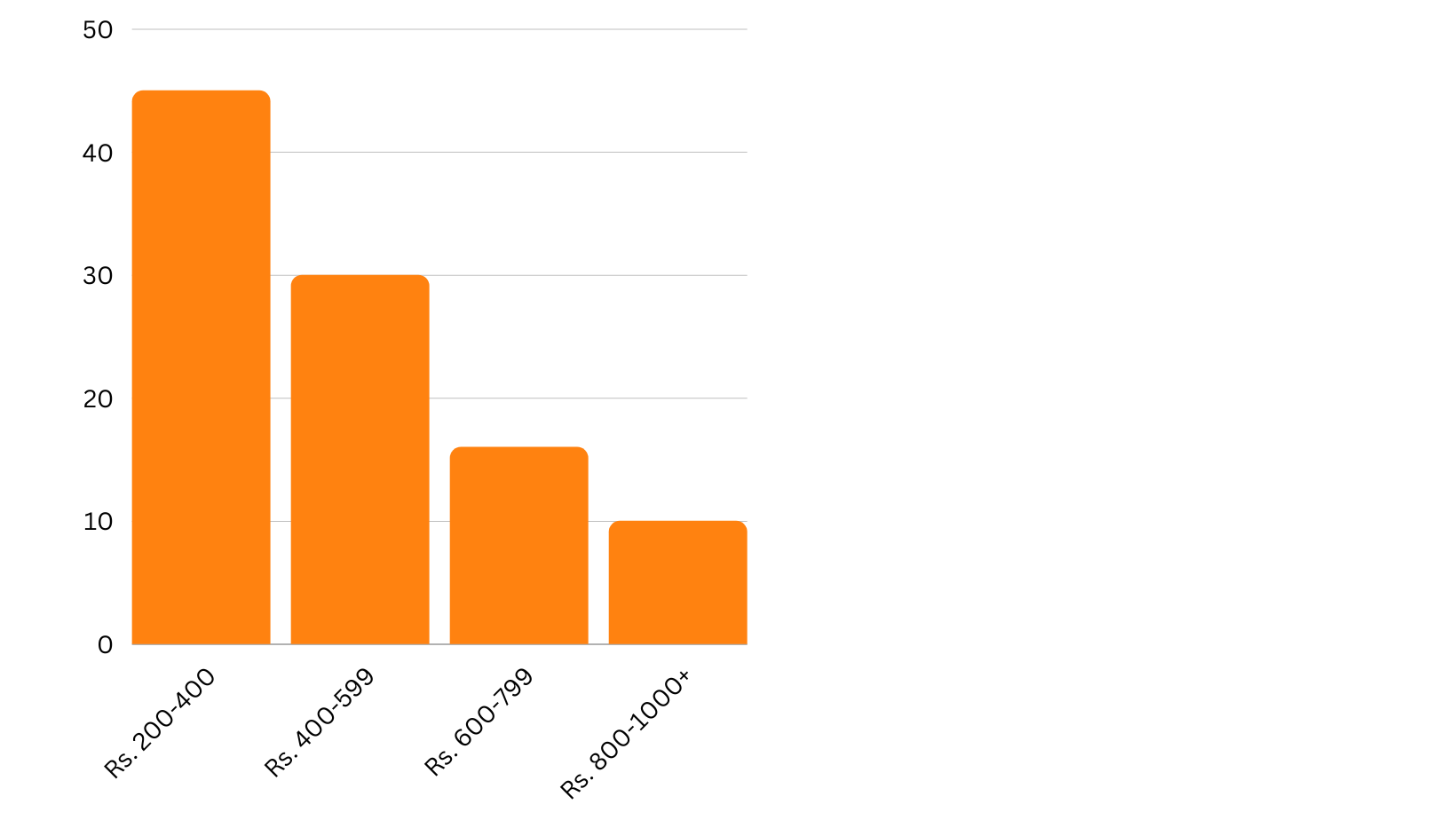
What is the budget you prefer for renting items like furniture, appliance, and electronics?
User Persona
I created User Personas to represent the main target segments of users who would be interested in our service. These personas included demographics, pain points, needs, goals, and behaviors that were commonly shared among the users. The personas were created to help us better understand the user's perspective and to make design decisions that are user-centric.
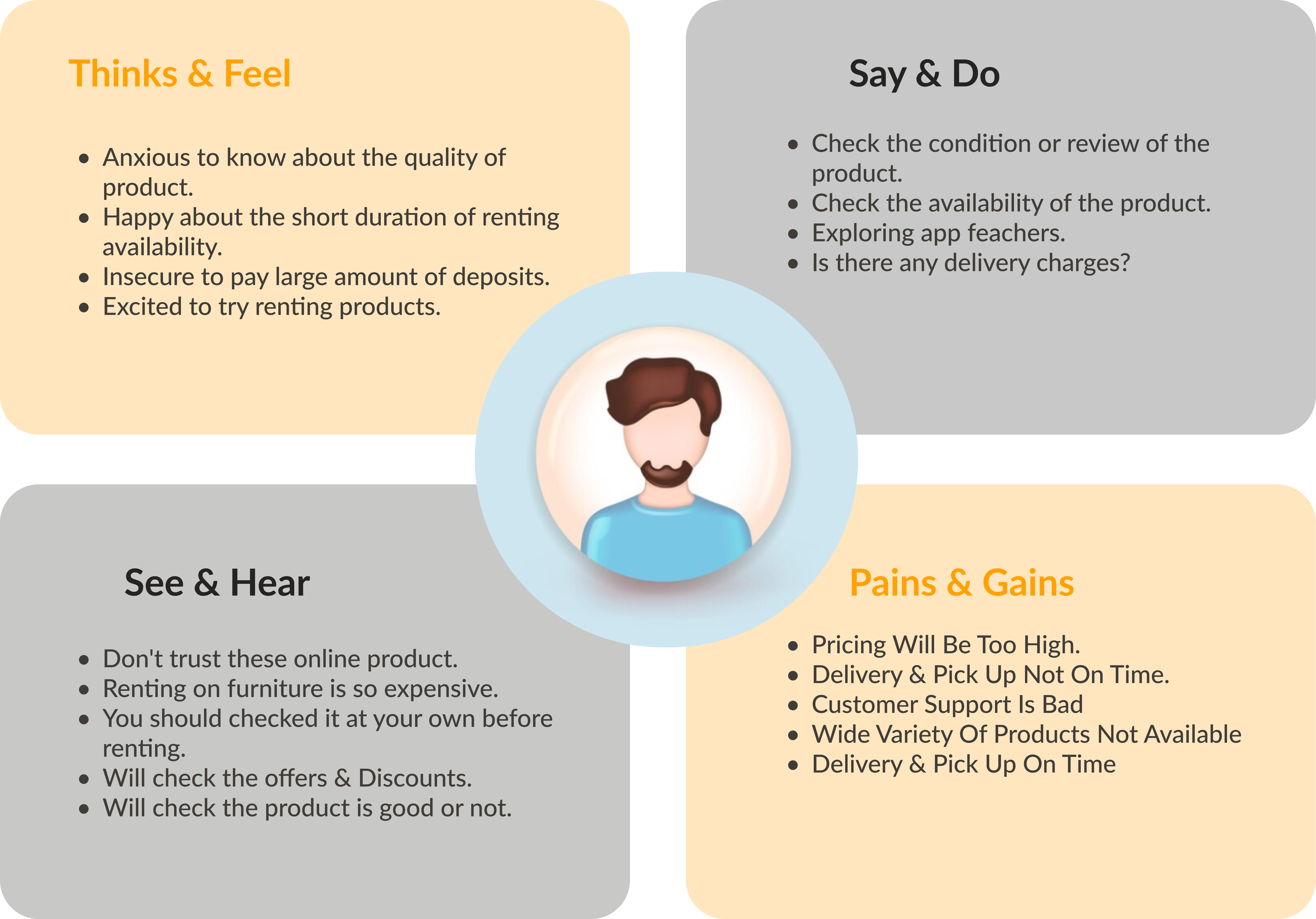
Prateek

Bio
Prateek is a driven individual with a passion for problem-solving and exploring new experiences. As a student at the Indian Institute of Information Technology, Nagpur, he is constantly seeking new challenges to take on and grow his skill set. Living as a paying guest in Nagpur city, Prateek has faced the difficulty of bringing furniture from his native place and has realized the need for a more budget-friendly solution. While searching for furniture rental services, he came across a few apps but was disappointed to find that the monthly charges were too high for his budget. This led him to seek a platform that offers good quality furniture at an affordable cost, with excellent service. Prateek's needs and experiences serve as an inspiration for creating a better solution in the furniture rental market.
Goals
-
Ease of Use:
Prateek wants a platform with a user-friendly interface that is easy to navigate and understand. -
Timely Delivery:
He places a high value on timely delivery, and wants a platform that delivers his purchases on time. -
Customer Satisfaction:
Prateek wants a platform that prioritizes customer satisfaction and provides an overall positive experience. -
Affordable Cost:
Being on a budget, Prateek is looking for a platform that offers furniture rental services at an affordable price. -
Maintenance-Free:
Prateek wants a platform that provides free maintenance and repair services to ensure his furniture is always in good condition.
Pain points of prateek
- Exorbitant Prices.
- Inefficient Delivery & Pick-up Scheduling.
- Poor Customer Service.
- Limited Product Selection.
- Inadequate Ability to Evaluate Product Quality.
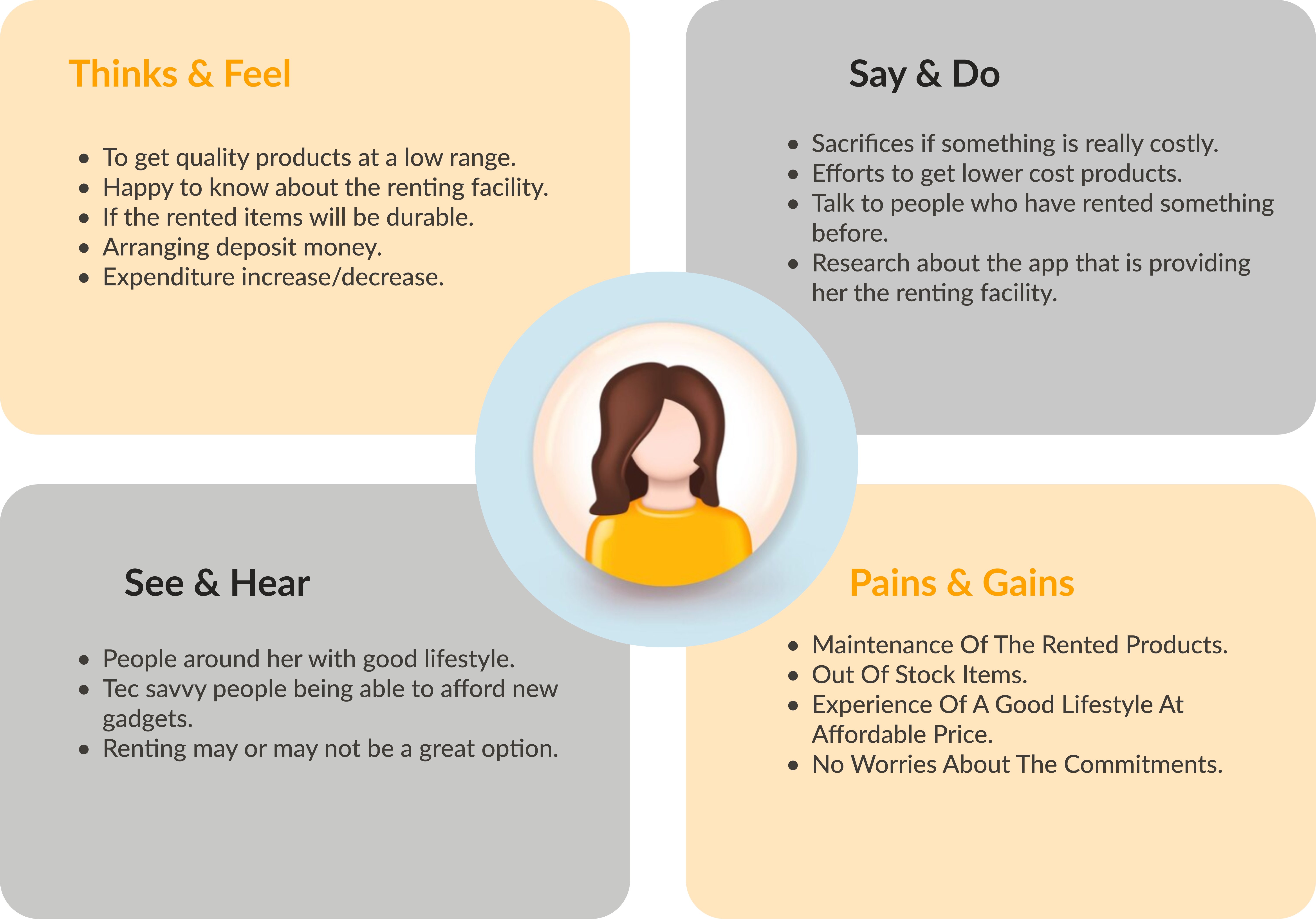
Aditi

Bio
Aditi is a homemaker who recently moved to Bangalore with her husband. She enjoys cooking and living a carefree life, but has faced a challenge with setting up her new home in a rented space. With limited resources, she is looking for a convenient and cost-effective solution for her furniture and appliance needs. Aditi wants to explore the option of renting these items through an app that provides easy access to a wide range of products. She wants the experience to be hassle-free and the delivery and pick up to be prompt.
Goals
- Variety of products: Aditi wants to have access to a wide range of products that she can rent to fulfill her needs. She wants to have the option to choose from different products to ensure that she finds what she is looking for.
- Less cost: Aditi wants to minimize the costs associated with renting items. She wants an app that offers reasonable prices for renting the items she needs.
- Easy Delivery: Aditi wants to ensure that the app offers quick and easy delivery of the items she rents. She wants to receive the items in a timely manner to avoid any inconvenience.
- Get Offers and Discounts: Aditi wants to take advantage of any offers and discounts available on the app. She wants to find ways to reduce the costs associated with renting items and save money in the process.
Pain points of Aditi
- High Deposit Cost.
- Unclear Product Status.
- Product Availability.
- Space occupied by the rented items.